
Overview
A Hammer toes is a toe that is bent because of a weakened muscle. The weakened muscle makes the tendons (tissues that connect muscles to bone) shorter, causing the toes to curl under the feet. Hammertoes can run in families. They can also be caused by shoes that are too short. Hammertoes can cause problems with walking and can lead to other foot problems, such as blisters, calluses, and sores. Splinting and corrective footwear can help in treating hammertoes. In severe cases, surgery to straighten the toe may be necessary.
Causes
Hammertoe commonly develops because of structural changes that take place over time in the muscles and tendons that bend the toes. People with certain medical conditions, such as diabetes, are at risk for developing hammertoe. It can be an inherited condition for some people. Other causes include trauma and wearing shoes that are too tight, narrow, or have high heels. The toe next to the big toe (second toe) is most frequently affected by hammertoe.
Symptoms
OlgaGrudt 發表在
痞客邦
留言(0)
人氣()
Overview
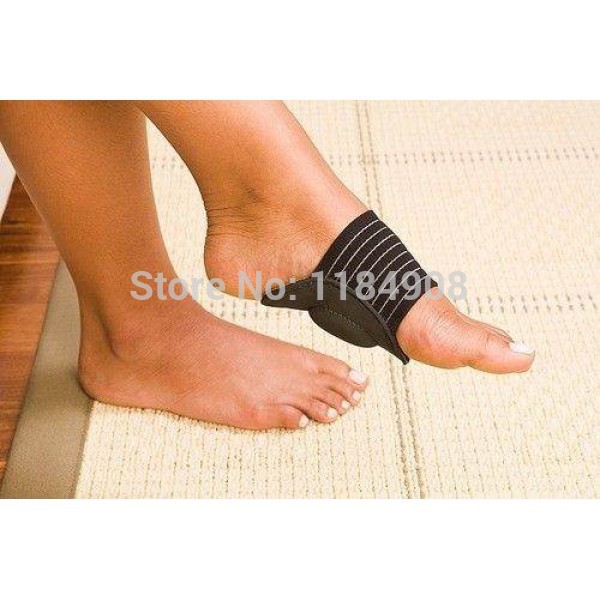
Arch pain is often felt as a burning sensation under the long arch of the foot. There are a number of causes of this, but the most common is plantar fasciitis, but can also be due to the strain of any structure in the arch of the foot.
Causes
The cause of this condition is too much pressure exerted on the arches, and although common in athletes, the condition can happen because you went hiking or climbing, you were lifting heavy objects, or you simply walked too far too vigorously. Pregnancy places extra strain on the arches because of both the additional body weight and the effect of hormones on muscles and ligaments.
Symptoms
OlgaGrudt 發表在
痞客邦
留言(0)
人氣()
Overview
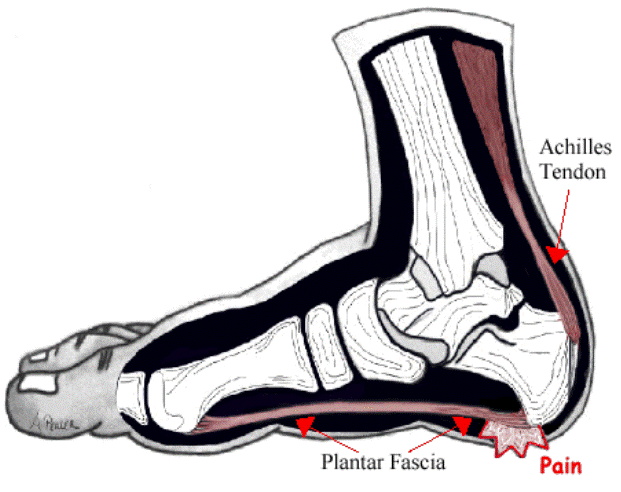
Arch pain (medically known as plantar pain) is a broad term many people use to describe pain in their muscles, tendons, ligaments, bones, or nerves. All these components are connected to the bottom of the foot; therefore, damage to any one of these can cause pain on the bottom of the foot. This pain may only last for short time, but can progressively worsen if untreated. Most people who suffer from this pain are between the ages of 30 and 80, but many younger athletes are also susceptible, particularly those who participate in high-impact sports.
Causes
The plantar fascia is a thick, fibrous band which runs along the sole of the feet. It helps to support the foot arches and transmits forces through the foot as you move. Plantar fasciitis is one of the most common causes of foot arch pain. The most common problem to develop here is plantar fasciitis. If there is too much strain on the plantar fascia (e.g. from long periods on your feet, suddenly increasing activity levels or your foot position is altered), the plantar fascia becomes inflamed and swollen. It is often accompanied by a bone spur, excess growth of the bone which develops due to repeated tension on the area where the plantar fascia attaches to the bone. Plantar fasciitis is one of the most common causes of foot arch pain. It is usually painful after activity or prolonged rest e.g. first thing in the morning. A less common problem with the plantar fascia which casues foot arch pain is plantar fibromatosis. This is when a small nodular growth develops on the plantar fascia, usually in the middle of the foot arch. It often causes pain when walking due to pressure through the lump.
Symptoms
OlgaGrudt 發表在
痞客邦
留言(0)
人氣()
Overview
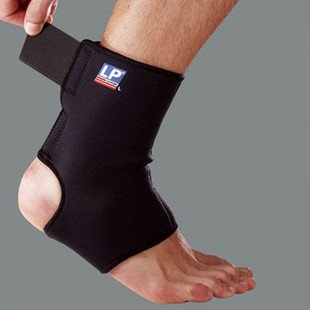
The Achilles tendon is the large cord like structure on the back of the leg just above the heel. It is the largest tendon in the body and has a tremendous amount of force transmitted through it during walking, running and jumping activities. The Achilles tendon is prone to injury, including rupture during periods of increased stress and activity. Common activities causing injury include running, basketball, baseball, football, soccer, volleyball and tennis. These activities require jumping and pushing forces that are possible due to the strength of the calf musculature and the ability of the Achilles tendon to endure this stress. Men from the ages of 30-50 are the most commonly injured during weekend athletic activities.
Causes
People who commonly fall victim to Achilles rupture or tear include recreational athletes, people of old age, individuals with previous Achilles tendon tears or ruptures, previous tendon injections or quinolone use, extreme changes in training intensity or activity level, and participation in a new activity. Most cases of Achilles tendon rupture are traumatic sports injuries. The average age of patients is 29-40 years with a male-to-female ratio of nearly 20:1. Fluoroquinolone antibiotics, such as ciprofloxacin, and glucocorticoids have been linked with an increased risk of Achilles tendon rupture. Direct steroid injections into the tendon have also been linked to rupture. Quinolone has been associated with Achilles tendinitis and Achilles tendon ruptures for some time. Quinolones are antibacterial agents that act at the level of DNA by inhibiting DNA Gyrase. DNA Gyrase is an enzyme used to unwind double stranded DNA which is essential to DNA Replication. Quinolone is specialized in the fact that it can attack bacterial DNA and prevent them from replicating by this process, and are frequently prescribed to the elderly. Approximately 2% to 6% of all elderly people over the age of 60 who have had Achilles ruptures can be attributed to the use of quinolones.
Symptoms
OlgaGrudt 發表在
痞客邦
留言(0)
人氣()
